


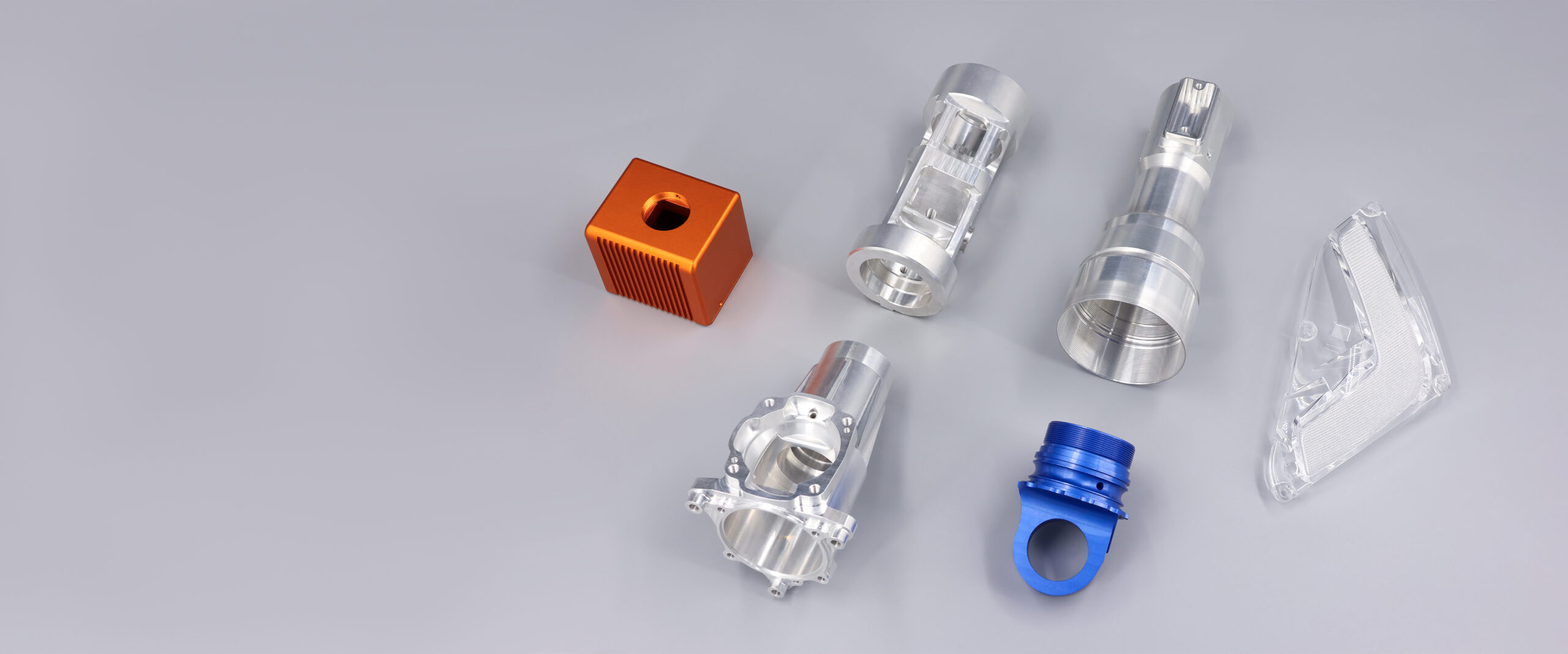
PP BOARD CNC MACHINING
Professional Polypropylene (PP) CNC Machining - Lightweight, Chemical-Resistant Parts for Medical, Packaging, Automotive and Food Processing Applications
PROTOREV is a professional PP board CNC machining manufacturer, serving global clients in the medical, food processing, chemical, packaging, and automotive sectors. We specialize in precision machining of polypropylene (PP) sheets and rods - delivering tight tolerances, smooth surface finish, and excellent cost efficiency from prototype to mass production.
Polypropylene (PP) is one of the lightest engineering plastics available, with a density of only 0.90-0.91 g/cm3. It offers an outstanding combination of chemical resistance, high impact strength, excellent fatigue resistance, and food-grade/fDA compliance - making it the top choice for medical device components, food processing equipment, chemical tanks, and lightweight structural parts.
Why Choose PP Board for CNC Machining
Excellent Chemical Resistance
Resists a wide range of acids, alkalis, salts, and organic solvents - ideal for chemical tanks, food processing equipment, and corrosive environment applications.
Lightest Engineering Plastic
Density of only 0.90-0.91 g/cm3 - the lowest density of all engineering plastics. Significantly reduces part weight for aerospace, automotive, and consumer product applications.
Food-Grade & FDA Compliant
FDA-compliant grades available - widely used in food processing equipment, beverage dispensing systems, pharmaceutical machinery, and medical device components. Non-toxic and odorless.
High Impact Strength & Toughness
Outstanding impact strength with 200-600% elongation at break - absorbs impact energy without cracking, making it ideal for durable components and living hinge applications.
Excellent Fatigue Resistance
Superior fatigue endurance under cyclic loading - ideal for applications with repeated stress, such as living hinges, snap-fit features, and fatigue-critical structural parts.
Outstanding Electrical Insulation
Volume resistivity of 10^13 to 10^16 ohm/m - provides reliable electrical insulation for low-voltage components, cable insulators, and electronic housing parts.
PP Board - Technical Properties
- Chemical Resistance: Resists most acids, alkalis, salts, alcohols, and ketones. Not resistant to strong oxidizing acids, chlorinated solvents, and aromatic hydrocarbons.
- Electrical Insulation: Volume resistivity 10^13 to 10^16 ohm/m - provides reliable insulation for low-voltage electrical parts and electronic components.
- Low Thermal Conductivity: 0.22 W/(m·K) - lower thermal conductivity than most metals, providing natural thermal insulation for energy-efficient designs.
- Fatigue Resistance: Excellent performance under cyclic loading - ideal for living hinges, snap-fit joints, and parts that undergo repeated flexing.
- Low Moisture Absorption: Extremely low water absorption - maintains dimensional stability and electrical properties in humid environments. Suitable for outdoor and marine applications.
PP Board - Full Specification
| Property | Polypropylene (PP) Board |
|---|---|
| Material Type | Polypropylene (Thermoplastic Polyolefin) |
| Color Options | Natural (white/translucent), gray, black; custom colors on request |
| Density | 0.90 to 0.91 g/cm3 (lightest engineering plastic) |
| Melting Point | 160 to 170 degree C |
| Heat Deflection Temp (HDT) | 90 to 110 degree C (at 0.45 MPa) |
| Glass Transition Temp (Tg) | -20 degree C |
| Tensile Strength | 30 to 50 MPa |
| Yield Strength | 20 to 40 MPa |
| Elongation at Break | 200 to 600% |
| Flexural Strength | 40 to 55 MPa |
| Hardness | Rockwell R 95 / Brinell 40-60 HB |
| Water Absorption (24h) | < 0.01% (extremely low) |
| Volume Resistivity | 10^13 to 10^16 ohm/m |
| Dielectric Strength | 20 to 30 kV/mm |
| Available Thickness | 1mm to 50mm+ (custom thickness on request) |
| Sheet Size | 1000x2000mm / 1220x2440mm (standard); custom cut-to-size available |
| Special Grades | Homopolymer PP, Impact Copolymer PP, PP+GF30 (glass-filled), food-grade, FDA-compliant, anti-static |
How Does CNC Machining PP Board Work
1CAD Design & Toolpath Programming
Your CAD drawings are converted into optimized CNC toolpaths - accounting for PP's low thermal conductivity and tendency to soften at elevated temperatures, ensuring clean cuts and smooth surfaces.
2Tool Selection & Workpiece Setup
Standard HSS or carbide tools are suitable for PP. The relatively soft material requires sharp tools with positive rake angles to achieve clean, burr-free edges. Vacuum table or soft jaws recommended for thin sheets.
3Precision Milling, Drilling & Turning
CNC operations are performed at moderate-to-high spindle speeds with air blast or light coolant - producing smooth edges, precise holes, and clean pockets. PP produces long, continuous chips that clear easily.
4Deburring, Inspection & Packaging
PP produces minimal burrs due to its ductile nature. Parts are inspected for dimensional accuracy and surface finish, then securely packaged for domestic or international shipment.
Machining Tolerances & Capabilities
| Specification | PROTOREV Capability |
|---|---|
| CNC Machining Tolerance | +/-0.05mm (+/-0.002") standard; +/-0.015mm (+/-0.0006") achievable for precision fitting parts |
| Minimum Wall Thickness | 1.5mm (recommended); 1.0mm achievable with careful setup |
| Minimum Hole Diameter | 1.0mm (drilling); 1.5mm (through-hole with clean exit) |
| Surface Finish (as machined) | Ra 0.8 to 3.2 um; tumbling, sanding, and polishing available for cosmetic finish |
| Maximum Part Size | 1000 x 600mm (dependent on machine worktable); larger sizes available via modular machining |
| Material Thickness Range | 1mm to 50mm (single layer); hot welding assembly available for thicker/larger parts |
| Typical Lead Time | 3 to 7 working days for prototypes; 7 to 15 days for production batches |
| File Formats Accepted | PDF, DWG, DXF, STEP, IGES, SolidWorks, AutoCAD |
| Special Services | PP hot-plate welding, ultrasonic welding, threaded insert installation, silk-screen marking, food-grade surface cleaning |
Common Applications for PP Board CNC Parts
- Medical & Healthcare: FDA-compliant PP parts for surgical instruments, diagnostic equipment housings, IV components, and pharmaceutical processing machinery.
- Food & Beverage Processing: Food-grade PP components for conveyor systems, food storage containers, beverage dispensing systems, and dairy processing equipment.
- Chemical Processing: Corrosion-resistant PP tanks, pipe fittings, valve components, and chemical-resistant structural parts for acid and alkali handling systems.
- Automotive & Aerospace: Lightweight PP structural components, battery housings, interior trim panels, and living hinge parts for vehicle and aircraft interiors.
- Packaging & Consumer Products: Prototype packaging containers, living hinge components, snap-fit parts, and reusable container prototypes.
- Electronics & Electrical: Low-voltage electrical insulation parts, cable management components, and electronic device housings.
CNC Machining Tips for PP Board
Use Sharp Tools with Positive Rake Angles: PP is a relatively soft thermoplastic. Sharp HSS or carbide tools with positive rake angles (10 to 15 degrees) produce the cleanest, most burr-free edges. Dull tools cause chip welding and poor surface finish.
Control Heat Buildup - PP Softens Easily: PP has low thermal conductivity and softens at relatively low temperatures. Use moderate spindle speeds (8,000-15,000 RPM for milling) with air blast to keep the cutting zone cool. Avoid aggressive cuts that generate excessive heat.
Use Air Blast Instead of Liquid Coolant: Compressed air blast is preferred for PP machining. Liquid coolant can cause moisture absorption on the cut surface. Air blast clears the long, stringy PP chips effectively and prevents chip recutting.
Account for High Thermal Expansion: PP has a relatively high coefficient of thermal expansion (CTE). Allow adequate thermal clearance in fit assemblies. For precision parts, machine in a temperature-controlled environment or measure parts immediately after machining.
Welding & Assembly: PP can be hot-plate welded, ultrasonic welded, or assembled with threaded inserts. PP welding produces strong, leak-proof joints - ideal for manufacturing large chemical tanks and custom containers from multiple machined pieces.
Why Choose PROTOREV for PP Board CNC Machining
- Specialized in PP & Thermoplastic Machining: We have extensive experience machining PP homopolymer, impact copolymer, and glass-filled PP+GF30 - understanding material behavior, optimal feeds and speeds, and how to avoid common issues (melting, warping, thermal expansion).
- Food-Grade & Medical-Grade Expertise: We understand the strict cleanliness and compliance requirements for FDA and medical-grade PP parts - from food-safe machining practices to proper packaging and documentation for regulated industries.
- Full In-House Production & Assembly: From CNC milling, drilling, and turning to PP hot-plate welding, ultrasonic welding, and threaded insert installation - complete production in-house with no outsourcing delays.
- Strict Dimensional Inspection: Every batch is dimensionally inspected against your drawings. We provide inspection reports and can issue first-article inspection (FAI) reports on request.
- Flexible Order Quantities: From single-piece custom prototypes to mid-volume production runs (10 to 10,000+ pcs) - competitive pricing at every scale with no minimum order quantity.
Our Advantages

One-stop Service
Our strong in-house production capabilities ensure you receive exactly the finished part you need.

Quick Response
24 hours prompt response, 4 to 24 hours for quotation, 5 to 7 days for prototype.

Quality Assurance
Complete testing equipment; Issue test report for each batch of parts before shipment.

Professional Service
Flexible transportation (DHL, FedEx, UPS, air or sea); Production progress updated at any time.